• ABOUT
  • SERVICES
    • ACUPUNCTURE
    • FERTILITY ACUPUNCTURE >
      • FERTILITY ACUPUNCTURE
      • IVF + IUI SUPPORT
    • WOMB HARA MASSAGE
    • BLOG
  • FAQS
  • NEW CLIENTS
  • BOOK NOW
  • CONTACT
BRIBIE ACUPUNCTURE
  • ABOUT
  • SERVICES
    • ACUPUNCTURE
    • FERTILITY ACUPUNCTURE >
      • FERTILITY ACUPUNCTURE
      • IVF + IUI SUPPORT
    • WOMB HARA MASSAGE
    • BLOG
  • FAQS
  • NEW CLIENTS
  • BOOK NOW
  • CONTACT

KNEE OSTEOARTHRITIS

23/2/2026

0 Comments

 
Picture
Osteoarthritis is a degenerative condition that often causes pain, stiffness, and limited mobility, which can affect daily activities and reduce independence. As the cartilage in the knee joint wears away over time, bones can rub together, leading to discomfort and inflammation. While conventional treatments such as pain medication and even surgery are common, acupuncture offers a natural, drug-free alternative that may significantly reduce pain, improve function, and enhance overall quality of life for those living with knee osteoarthritis.
Some of the common symptoms of knee osteoarthritis include:  
  • Pain: Often worsens with activity or long periods of sitting.
  • Stiffness: Especially after rest or in the morning.
  • Swelling: Inflammation around the knee joint.
  • Reduced Mobility: Difficulty walking, climbing stairs, or bending the knee.  


​HOW ACUPUNCTURE MAY HELP

Acupuncture may provide several benefits for those living with knee osteoarthritis:  
  • Pain Relief: Acupuncture has long been recognised for its ability to reduce pain. It stimulates the body’s natural production of endorphins (the body’s natural painkillers) and other chemicals that block pain signals. This helps relieve both acute and chronic pain associated with knee osteoarthritis.
  • Reducing Inflammation: Knee osteoarthritis often leads to inflammation in and around the joint, which exacerbates pain and stiffness. Acupuncture helps decrease the production of inflammatory markers in the body, helping to reduce swelling and discomfort.
  • Improving Circulation: Acupuncture improves blood flow to the affected area, delivering more oxygen and nutrients to the knee joint. This enhanced circulation supports healing and can help prevent further degeneration of the cartilage.
  • Restoring Joint Mobility: Regular acupuncture treatments can help increase flexibility and range of motion in the knee. By stimulating specific acupuncture points, tension in the muscles and connective tissues surrounding the knee joint is reduced, which helps restore normal movement and ease discomfort.  
Acupuncture for knee osteoarthritis is one of the many conditions that have been extensively studied by western medical science. Acupuncture is recommended for knee osteoarthritis by a number of health organisations around the world, including The American College of Rheumatology, Osteoarthritis Research Society International, and The National Institute for Health and Care Excellence in the UK.
​

WHAT TO EXPECT
Acupuncture for knee osteoarthritis begins with a consultation, during which we will assess your symptoms, lifestyle, and medical history. Based on this information, we will create a customised treatment plan. We will then insert thin, single-use, sterile needles into specific acupuncture points. These points may be located around the knee, leg, or even distal points on the body (such as the arm or back - which surprises many people!) that influences knee function. Once the needles are inserted, you will rest for about 20 to 30 minutes. During this time, you may experience a tingling sensation, warmth, or relaxation - many people fall asleep. A series of treatments is typically recommended for knee osteoarthritis.
ACUPUNCTURE FOR POST-OPERATIVE PAIN
Sometimes surgery is a necessary approach for addressing certain health conditions - whether that be for joint issues or other health concerns, as it may offer the best chance for recovery and improved quality of life when other treatments are insufficient. 
Acupuncture has been shown to provide several benefits for managing post-operative pain, including:
  • Pain Reduction: Acupuncture stimulates the release of endorphins, the body’s natural painkillers, which may help reduce the intensity of post-surgical pain. Studies show that acupuncture can decrease pain scores significantly compared to control groups receiving standard care alone.
  • Reduced Opioid Use: By alleviating pain effectively, acupuncture may help lower the reliance on opioids, which may minimise the risk of side effects such as nausea, dizziness, constipation, and addiction.
  • Faster Recovery: Acupuncture improves blood circulation and reduces inflammation, which may accelerate wound healing and tissue repair after surgery.
  • Reducing Secondary Symptoms: Acupuncture may assist with symptoms of nausea, vomiting, and other side effects often associated with anesthesia or pain medications, making the recovery process more comfortable.
  • Reducing stress and anxiety, which are common after surgery, promoting better rest and recovery.
Research published in journals like ‘Pain Medicine’ and ‘The Journal of Pain’ has highlighted acupuncture’s role in significantly reducing post-operative pain and opioid consumption.

0 Comments

ACUPUNCTURE FOR SCIATICA

9/2/2026

0 Comments

 
Though acupuncture is well known for its effectiveness in treating pain conditions, what often prompts people to come to see us at Bribie Acupuncture for treatment is not the pain itself but the impact the pain has on their quality of life. Pain can stop you from enjoying your morning walks, keep you off the golf course, or prevent you from running your best time in the next race.

One of the main nerves in our legs is called the sciatic nerve which traverses from the lower back, through the buttock and down the leg. When the nerve is inflamed, pain, numbness, and/or weakness is often felt in the buttock and upper leg - in some cases the pain can travel down to the feet, down the back or side of the leg. Sciatica can literally be a big pain in the butt! 

It is estimated that up to 40% of people experience sciatica at some point during their lives, most commonly in people in their 40’s or 50’s, and more commonly in men than women. Sciatic pain may be constant or it may be felt as a sudden pinching sensation. Oftentimes sciatica cannot be blamed on a specific trauma - sometimes simply bending, lifting, or straining may aggravate it. Even sitting for extended periods, such as during long car rides, may be the culprit. Pain is triggered when pressure is put on the sciatic nerve such as from the spinal discs or tight muscles, or more seriously spinal disc herniation, when a portion of the spinal disc bulges out of the spinal column and pushes on the sciatic nerve, or spinal stenosis, a narrowing of the spinal canal.

Fortunately tight muscles or spasms are the most common cause of sciatica, which can be treated more easily. Often the root cause is a tight piriformis muscle in the buttocks, but other muscles in the lower back and pelvic region often contribute to sciatic pain.

TIGHT MUSCLES & MUSCLE SPASMS
Though the source of pain can sometimes be obvious, often more subtle dysfunctions in the nervous system result in neuropathic pain (nerve pain) which cannot be seen on x-rays or ultrasound scans. Oftentimes this pain involves the nerve to muscle connection where affected muscles that have become shortened/ tightened or overstretched/ loosened, physically compounds the pain due to reduced blood flow. A classic example is someone who suffers back pain after long periods of sitting: though their back muscles may of course be affected, often the muscles in their buttocks become overstretched and the muscles at the top of their thigh become overly tight (simply due to the body position while seated), and the muscles become inhibited or “switch off”, causing pain to refer to the back. Or, in the case of sciatica, the tight muscles could be pushing on the sciatic nerve. 

When muscles are inhibited, matters can become more complex as these muscles can feel weak and we often compensate by altering our posture, creating more dysfunction in other areas of the body, creating a domino effect. We likely all know someone who has injured their knee, then started walking with a tilted posture, and wound up also having back pain. 

The first step to treatment with acupuncture is an assessment of which muscles may be contributing to the condition. Once this is determined, we are able to find the points in which nerves meet those muscles, known as motor points. When an acupuncture needle is used on a motor point with an electric impulse, it creates a contraction and relaxation phase releasing tight contracted bands of muscle or tightens overstretched bands of muscle. This is like hitting a reset button. The results are immediate pain relief and improved muscle contractibility and mobility.

Acupuncture has been shown to be an effective treatment for sciatica, eliminating or significantly decreasing pain and increasing quality of life. Research has shown acupuncture to be successful in treating back pain and sciatica through the following mechanisms:
  • Stimulating nerves located in muscles and other tissues, leading to the release of endorphins which relieves stress and pain
  • Reducing inflammation and muscle stiffness and increasing joint mobility by increasing blood circulation in the affected area
  • Promoting regeneration of the sciatic nerve.
Acupuncture is a popular and effective treatment for sciatica which is without the side effects of prescription pain medications like NSAIDs and muscle relaxers. Clinical guidelines for low back pain in the United States are now almost universally recommending acupuncture for low back pain over previously-favoured pharmaceutical and surgical options. The American College of Physicians, Medicare/Medicaid and the Joint Commission (which establishes criteria for hospital accreditation) have all recommended acupuncture for low back pain.

​
0 Comments

Pumicestone small business awards

30/5/2023

0 Comments

 
​Thank you all for the support and taking us to the Top 10 in the ‘Best Health, Wellbeing and Fitness’ category in the Pumicestone Small Business Awards. We’re grateful for our Bribie Acupuncture community!
Picture
0 Comments

Have tennis elbow or golfer's elbow?

1/5/2023

0 Comments

 
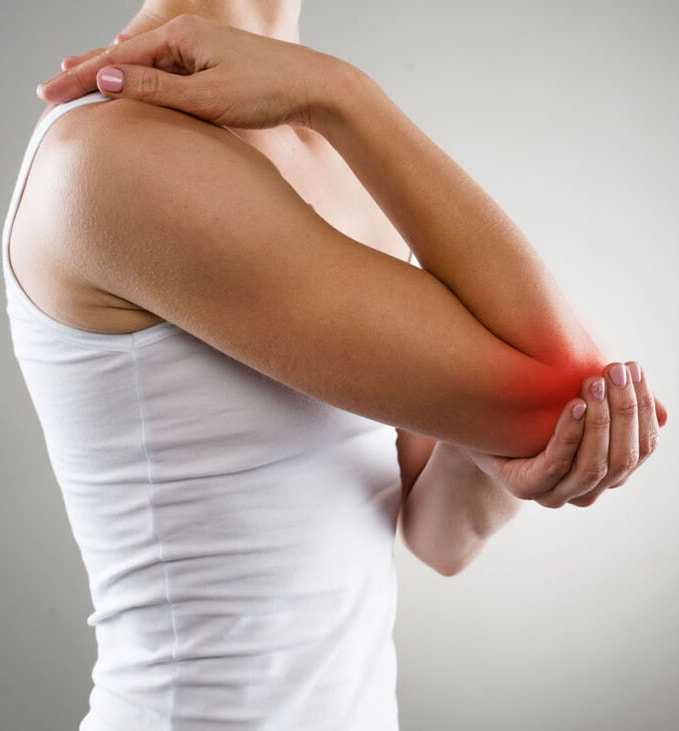
Though elbow pain is common in athletes - and we do see our fair share of tennis players, golfers, pickleball players, and lawn bowlers - it is also common in those that perform repetitive tasks, such as avid gardeners. Tennis elbow refers to the inflammation of the tendons where they attach on the lateral (thumb side) of the elbow, whereas golfer’s elbow refers to the tendons on the medial (pinky side) of the elbow. They are also known as lateral epicondylitis and medial epicondylitis, respectively. The pain can vary from a burning sensation at the elbow to shooting pains down the forearm. When impacted, lifting minor objects, even as light as a coffee cup, can cause severe pain.

Other common symptoms include:
  • ​Tenderness on the lateral or medial side of the elbow
  • Pain when opening the hand (tennis elbow) or pain when making a fist (golfer’s elbow)
  • ​Difficulty holding, pinching, or gripping objects
Picture

Read More
0 Comments

​How does acupuncture work for hay fever?

21/4/2023

0 Comments

 
The short answer is that acupuncture affects the immune system and reduces the allergic inflammatory response to allergens, and therefore symptoms, and also improves people’s tolerance to would-be allergens
Acupuncture for allergic rhinitis is one of the many conditions that have been extensively studied by western medical science - in fact some studies have found acupuncture to be more effective than medication, and that symptoms continued to improve for up to 3 months after treatment. Acupuncture has also been recommended in the allergic rhinitis (hay fever) clinical practice guideline of the Otolaryngology Head Neck Surgery Foundation in the US as a treatment option for those who prefer a nonpharmacological treatment.
Picture
0 Comments

A brief history of acupuncture

1/4/2023

1 Comment

 
6000 BCE - Sharp bone and stone instruments are discovered in China, described as ‘pieces of stone used for treating illness by pricking the body’.

198 BCE - Burial tombs, amongst other artifacts unearthed in 1973, depict a medical practice related to acupuncture meridian systems.

552 AD - Acupuncture begins its migration from China to Japan and Korea.

1368-1600 - Acupuncture becomes one of the primary care systems used in China, alongside herbs, massage, diet, and moxibustion.

1500-1700 - The Dutch East India Company introduces acupuncture to Europe.

1822 - Acupuncture suffers a decline in China.

1880 - Acupuncture is introduced in Australia during the gold rush period by Chinese gold diggers.

1949 - Following the installation of the Communist government in China, all traditional forms of medicine are re-established and encouraged, including acupuncture.

1971 - In preparation for the unprecedented visit to China by US President Nixon, a US press corps member is treated with acupuncture following an emergency appendectomy. He describes his experience in the New York Times and as a result, teams of US physicians tour China to assess acupuncture's therapeutic applications.

1979 - The World Health Organisation conducts a symposium on acupuncture in China.

1997 - The National Institute of Health in the United States declares there is sufficient evidence of acupuncture's value to expand its use into conventional medicine.

2000 - Research into acupuncture as a medical treatment grows exponentially, increasing at twice the rate of research into conventional biomedicine. From 2000-2020, there have been over 13,000 studies conducted in 60 countries, including hundreds of meta-analyses.

2012 - Mandatory national registration of acupuncturists with the Chinese Medicine Board of Australia, under the governance of the Australian Health Practitioner Regulation Agency, a government body that manages the registration of all health practitioners.

2017 - The Acupuncture Evidence Project reviewed the effectiveness of acupuncture for 122 treatments over 14 clinical areas. Evidence of effect was found for 117 conditions, including knee osteoarthritis, lower back pain, and headache.

​
1 Comment

Acupuncture for plantar fasciitis

10/1/2023

1 Comment

 
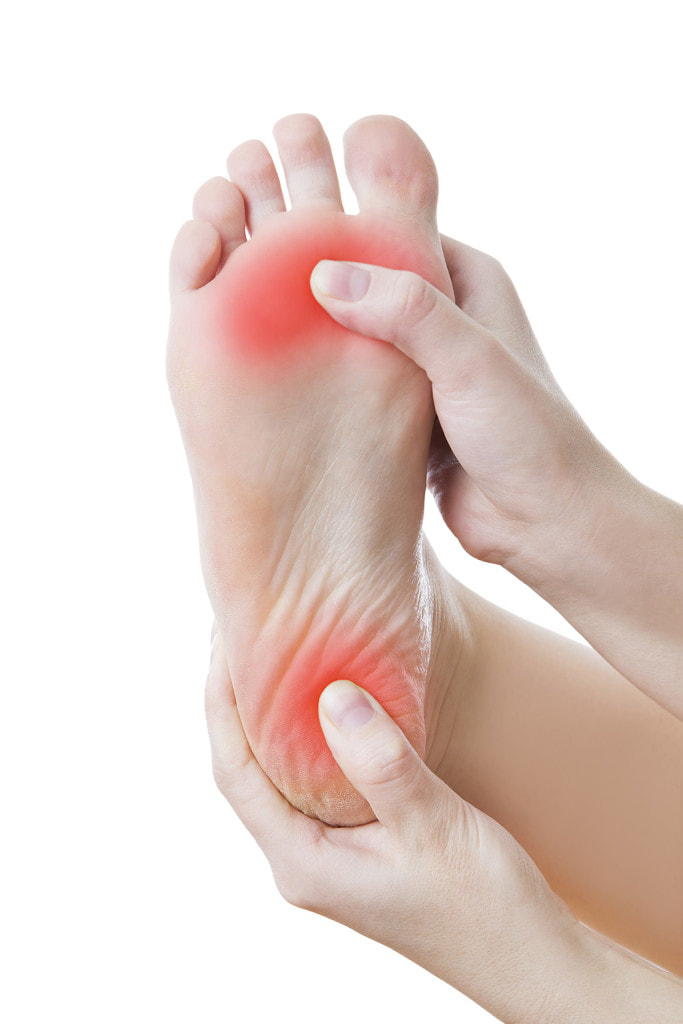
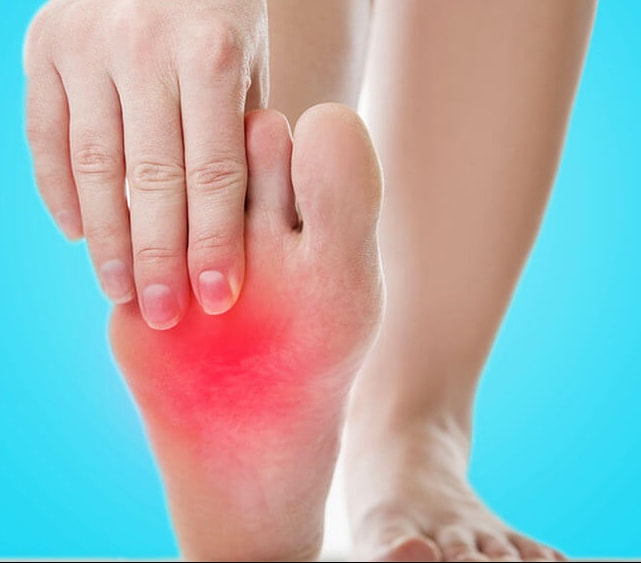
Plantar fasciitis is a common cause of heel pain, estimated to affect 10% of people over the course of their lives. Symptoms are typically sharp, stabbing pain with pressure, or when standing after periods of rest. In some cases, pain can radiate up the leg causing discomfort in the ankle and calf. Pain is typically worse in the morning and the first steps of the day, and usually worse after exercise but not during exercise. Plantar fasciitis is common in runners, those that are overweight, those who stand or walk for long periods, and those with foot alignment issues. Tight calves are also known to increase risk of developing plantar fasciitis

The plantar fascia, which is the part of the foot that’s inflamed with plantar fasciitis, is a tendon that attaches to the base of the heel bone and extends into five bands that attach to each toe on the bottom of the foot. It is affected by overuse through repetitive strain due to both too much or too little movement and exercise. Small injuries to the tendon over time causes inflammation and pain. Often a spur, which is a little bony growth, develops on the heel bone as well. Plantar fasciitis can also be caused by arthritic conditions such as ankylosing spondylitis and psoriatic arthritis.

​
Picture

Read More
1 Comment

Acupuncture & Cancer Support

6/10/2022

1 Comment

 
Cancer is a diagnosis that no one wants to hear. It can throw you into a rollercoaster of overwhelming feelings and fears. If you or a loved one is facing cancer it is important to note that there are options available to help manage symptoms and improve quality of life while you are undergoing treatment. Acupuncture has been used for thousands of years to treat a wide variety of conditions. It is commonly used to manage cancer-related symptoms, treat side effects induced by anticancer therapies, and boost white blood cell and natural killer cell activity in the immune system. Commonly treated symptoms include cancer pain and chemotherapy-induced nausea and vomitingand other symptoms that affect a patient’s quality of life, including:
  • Anxiety
  • Depression
  • ​Insomnia
  • Poor appetite
  • Fatigue
  • Dry mouth
  • Hot flushes
  • Chemotherapy-induced peripheral neuropathy
  • ​Gastrointestinal symptoms such as constipation and diarrhoea​


Picture

Read More
1 Comment

The Acupuncture Evidence Project

5/10/2022

0 Comments

 
The Acupuncture Evidence Project is an extensive review of published scientific literature, particularly systematic reviews and meta-analyses, on the effectiveness of acupuncture. The intent of the project was to set a benchmark to inform acupuncturists, the public, researchers, health departments, governments, and other health providers that acupuncture has a valuable contribution to make to global healthcare and to assist in reducing the global burden of disease. 
​

Completed by two of Australia’s own Chinese Medicine doctors (who also have western medical backgrounds) based in Brisbane in 2017, the Acupuncture Evidence Project is now a resource used around the world. It concluded that acupuncture has been demonstrated with strong evidence to be effective in the treatment of:​

Picture
  • Migraines
  • Headache
  • Chronic low back pain
  • Allergic rhinitis
  • Knee osteoarthritis
  • Chemotherapy-induced nausea and vomiting
  • Post-operative nausea and vomiting
  • Post-operative pain

Thirty-eight other conditions had evidence of positive effect, including irritable bowel syndrome, menopausal hot flushes, neck pain, sciatica, and post-stroke rehabilitation.
0 Comments

Acupuncture for Stress & Anxiety

15/9/2022

0 Comments

 
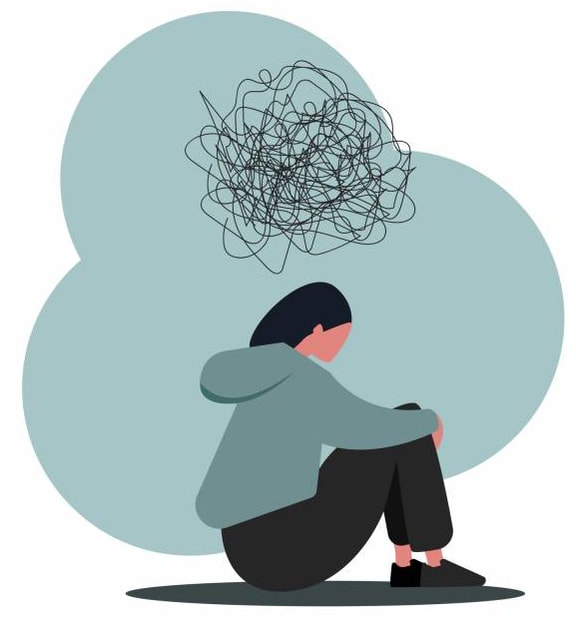
Stress and anxiety are extremely common in today’s society. The pressure of our everyday lives can often be overwhelming. The effects of stress can cause imbalances such as digestive issues, sleep issues, and decreased immunity. At Bribie Acupuncture we often support clients during stressful periods and help them manage the effects of stress. Stress releases negative chemicals in our body and impairs the body's ability to recover and impairs the immune system. It can contribute to a wide range of symptoms such as weight gain, headaches, digestive disturbances, palpitations, sleep disorders, hormonal imbalances and substance abuse. 
Acupuncture can be used alone or alongside other methods to naturally calm your mind and body. Acupuncture switches the body from the ‘fight or flight’ mode (sympathetic nervous system), into ‘rest and digest’ mode (parasympathetic nervous system). ​

Picture

Read More
0 Comments
<<Previous

    Archives

    February 2026
    May 2023
    April 2023
    January 2023
    October 2022
    September 2022
    August 2022
    July 2022
    April 2022
    March 2022
    February 2022
    December 2021
    November 2021
    May 2021
    February 2021
    January 2021
    December 2020
    July 2020
    May 2020
    January 2020
    October 2019
    August 2019
    June 2019
    March 2019

    Categories

    All
    About Acupuncture
    Fertility Acupuncture
    Immunity
    Menopause
    Neuropathy
    Pain Relief
    Pregnancy Support
    Sports Acupuncture

    RSS Feed

ABOUT

CONTACT​

© COPYRIGHT 2020. ALL RIGHTS RESERVED.
  • ABOUT
  • SERVICES
    • ACUPUNCTURE
    • FERTILITY ACUPUNCTURE >
      • FERTILITY ACUPUNCTURE
      • IVF + IUI SUPPORT
    • WOMB HARA MASSAGE
    • BLOG
  • FAQS
  • NEW CLIENTS
  • BOOK NOW
  • CONTACT